Sonepur Fair in India: History, Culture and Travel Guide to Bihar’s Famous Mela
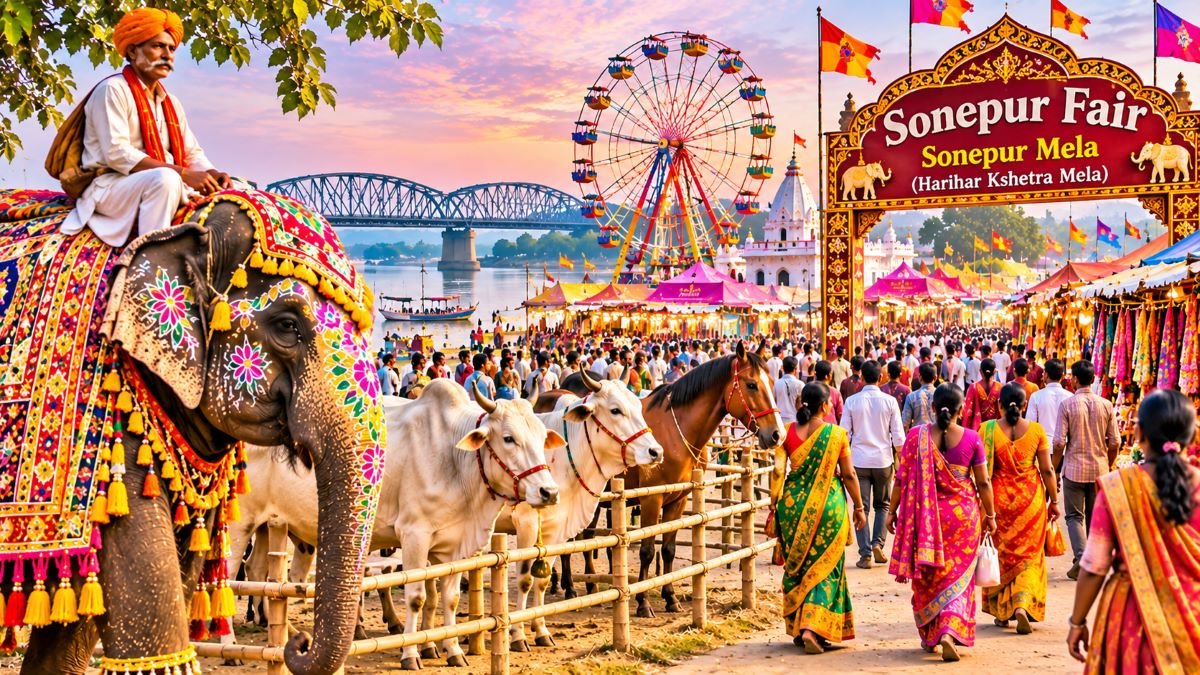
Sonepur Fair, also known as Sonepur Mela and Harihar Kshetra Mela, is one of the most remarkable traditional fairs in India. Held in Sonepur, Bihar, this historic gathering brings together religious traditions, rural commerce, livestock markets, folk entertainment and local craftsmanship. Its setting near the sacred meeting point of the Ganga and Gandak rivers gives the event a distinctive cultural and spiritual identity.
For international visitors, Sonepur Fair offers an opportunity to experience a side of India that is deeply connected to village life, traditional markets and centuries-old religious customs. Unlike a modern commercial exhibition, the fair reflects the everyday heritage of the region, where farmers, traders, artisans, pilgrims and tourists come together.
The fair traditionally begins around Kartik Purnima, the full moon day in the Hindu lunar month of Kartik, which usually falls in November. Its activities can continue for several weeks, creating a lively atmosphere across the fairground.
Where Is Sonepur Fair Held?
Sonepur Fair takes place in Sonepur, a town in Bihar's Saran district in eastern India. The town is situated near the confluence of two important rivers: the Ganga and the Gandak. This river junction is traditionally regarded as a sacred place by Hindu devotees.
Sonepur is located close to Patna, the capital of Bihar, and Hajipur, an important nearby town. Its location makes the fair accessible to visitors travelling from different parts of Bihar and neighbouring states.
The fairground becomes a temporary centre of activity during the festival season. Visitors can explore livestock areas, traditional marketplaces, food stalls, craft displays, entertainment spaces and religious sites.
History of Sonepur Fair
Sonepur Fair has a long history associated with pilgrimage, animal trading and regional commerce. Although its exact founding date is difficult to establish, the event is traditionally connected with the historic importance of the river confluence and the worship of Lord Hariharnath.
Local historical traditions also associate the fair with the Mauryan period. According to commonly repeated accounts, Emperor Chandragupta Maurya is believed to have procured elephants and horses from the region for his army. Historical and tourism accounts also describe the fair as an important meeting place for traders who travelled from distant regions.
Over time, Sonepur developed into a major centre for livestock trading. Farmers and buyers gathered to exchange animals, agricultural goods and other products. The fair became known for its large cattle and horse markets, attracting visitors and traders from across northern India.
Today, Sonepur Fair has evolved beyond its traditional trading role. It combines its historic marketplace character with cultural performances, tourism activities, handicrafts, food stalls and public exhibitions. This combination of old and new traditions makes it an important part of Bihar's cultural heritage.
Religious Significance and the Hariharnath Temple
Religion is one of the central elements of Sonepur Fair. The event is closely associated with the Harihar Nath Temple, an important place of worship dedicated to Lord Hari (Vishnu) and Lord Hara (Shiva).
Kartik Purnima is considered an auspicious occasion in Hindu tradition. During this period, devotees travel to the river confluence to take a ceremonial bath and offer prayers. Many visitors also visit the Hariharnath Temple as part of their pilgrimage.
One of the legends connected with Sonepur is the story of Gajendra Moksha. In this Hindu religious story, an elephant named Gajendra is caught by a crocodile and struggles for a long time. When the elephant calls upon Lord Vishnu for help, the deity arrives and saves him.
Local tradition associates this story with the sacred landscape around Sonepur. The legend contributes to the religious identity of the fair and helps explain its historic association with elephants.
For international visitors, observing these customs offers an opportunity to understand the relationship between Hindu religious beliefs, pilgrimage and community celebrations.
The Famous Livestock Market
Sonepur Fair became widely known for its extensive livestock markets. Historically, traders and farmers brought different animals to the fair, making it an important commercial gathering for rural communities.
Cattle and Buffaloes
Cattle have traditionally played an important role in the agricultural economy of Bihar. The fair has served as a meeting point for livestock owners, farmers and buyers interested in animals used for farming, dairy production and rural livelihoods.
Horses
Horse markets are another well-known feature of the traditional fair. Visitors may encounter horses of different breeds and sizes, along with traders and handlers who understand the region's long association with horse trading.
Other Animals
Depending on the arrangements and applicable regulations, livestock-related sections may include animals such as goats and other domestic species. The range of animals and market activities can vary from one edition to another.
Elephants and Animal Protection
Elephants are historically associated with Sonepur Fair and remain an important part of its cultural identity. However, visitors should understand that historical elephant trading is not the same as modern fair practices. Elephant trade is prohibited under India's wildlife protection framework, and the presence or display of elephants must be understood in the context of current laws and official arrangements.
The modern fair should be appreciated with respect for animal welfare and wildlife conservation. Visitors should avoid supporting activities that involve mistreatment, unsafe handling or unlawful animal trade.
Cultural Attractions and Entertainment
Sonepur Fair is much more than a traditional livestock market. It is also a major social and cultural gathering where visitors can experience the performing arts, crafts and entertainment traditions of Bihar.
Folk Music and Dance
Traditional music and dance performances contribute to the festive atmosphere. Folk artists and cultural groups may present regional styles that reflect the heritage of Bihar and neighbouring areas.
These performances help preserve local artistic traditions while introducing visitors to the region's music, costumes and storytelling.
Handicrafts and Traditional Markets
The fairground features stalls selling a variety of products, depending on the annual arrangements. Visitors may find traditional clothing, household goods, decorative items, toys, handicrafts and locally made products.
Craft stalls provide an opportunity to discover the creativity of regional artisans and explore products connected with rural life.
Food and Local Cuisine
Food is an important part of the Sonepur Fair experience. Temporary food stalls offer snacks, sweets, refreshments and popular dishes associated with Bihar and northern India.
Visitors may come across regional favourites such as litti chokha, traditional sweets and seasonal snacks. Food availability varies between stalls, so international visitors should choose clean and hygienic places to eat.
Amusement Rides and Public Events
Depending on the year's programme, the fair may include amusement rides, exhibitions, stage performances, public events and other family entertainment.
These attractions create a lively environment and make the fair appealing to visitors of different ages.
Best Time to Visit Sonepur Fair
The best time to experience Sonepur Fair is during its annual festival period, which begins around Kartik Purnima. This religious occasion usually falls in November, although the exact date changes every year according to the Hindu lunar calendar.
The fair may continue for several weeks, with its duration and programme varying by edition.
Visitors interested in religious traditions may prefer arriving around Kartik Purnima, when pilgrimage activities and ceremonial bathing attract large numbers of devotees. Those more interested in exploring the markets and cultural events may choose another day during the fair period.
Before travelling, visitors should check the official annual schedule issued by the Bihar Tourism Department or Saran district administration. Programme dates, attractions, access arrangements and visitor facilities may change from year to year.
How to Reach Sonepur Fair
Sonepur is accessible by air, rail and road. Most international visitors will find it convenient to travel through Patna before continuing to Sonepur.
By Air
The nearest major airport for most visitors is Jay Prakash Narayan International Airport in Patna. It serves domestic routes and selected international connections. Travellers arriving from overseas may need to connect through another major Indian airport.
From Patna, visitors can continue towards Sonepur by road or rail.
By Train
Sonepur has its own railway station, and the wider region is connected to India's railway network. Hajipur and Patna are also useful railway hubs for visitors planning their journey.
Train schedules and available services should be checked before departure, particularly during the busy Kartik Purnima period.
By Road
Sonepur can be reached from Patna and Hajipur by road. Visitors can use taxis, private vehicles or available local transport services.
Travel times may increase during the fair because of heavy traffic, large crowds and temporary traffic arrangements. Checking local transport updates before leaving is recommended.
Travel Tips for International Visitors
A visit to Sonepur Fair can be an interesting introduction to rural Bihar, but a little preparation makes the experience more comfortable.
1. Check the annual programme: The fair's dates, attractions and facilities can change each year. Consult official tourism or district administration updates before planning your visit.
2. Plan accommodation early: Hotels and guesthouses in nearby towns may become busy during the main festival period. Consider staying in Patna or Hajipur if suitable accommodation is limited in Sonepur.
3. Carry Indian currency: The Indian Rupee (INR) is the local currency. Keep some cash for small purchases, local transport and food stalls, as digital payment facilities may not be available everywhere.
4. Wear comfortable clothing: The fairground involves considerable walking. Comfortable shoes and weather-appropriate clothing are useful, especially during crowded periods.
5. Respect religious customs: Dress modestly when visiting temples and follow local instructions. Ask before photographing people during prayers or other private religious activities.
6. Prepare for crowds: Kartik Purnima attracts many pilgrims. Keep personal belongings secure, agree on meeting points when travelling in a group and allow additional time for transport.
7. Follow food and drinking-water precautions: Choose hygienic food stalls and use safe drinking water. Carrying a reusable water bottle can be helpful.
8. Respect animals: Observe livestock and other animals from a safe distance. Do not touch, feed or approach animals without permission from their handlers.
Sonepur Fair and the Culture of Bihar
Sonepur Fair is an important expression of Bihar's cultural and economic traditions. It connects religious practices with rural commerce and community life, bringing together people from different backgrounds.
For farmers and livestock owners, the fair has historically provided a place to meet buyers, exchange knowledge and participate in regional trade. For artisans and small businesses, it offers opportunities to display and sell their products.
For pilgrims, it remains connected with Kartik Purnima, the sacred river confluence and the worship of Hariharnath. For tourists, it offers an opportunity to explore regional food, traditional markets, folk performances and the social life of Bihar.
The fair's ability to bring these different activities together is one of the reasons it continues to hold an important place in the state's cultural calendar.
Nearby Places to Explore
Visitors travelling to Sonepur can also explore other destinations in and around the Patna region.
Patna: Bihar's capital offers historical landmarks, museums, religious sites and access to the cultural heritage of the region.
Hajipur: Located near Sonepur, Hajipur is an important town in Vaishali district and a useful base for exploring the surrounding area.
Vaishali: Known for its ancient historical and Buddhist heritage, Vaishali is an interesting destination for travellers interested in India's early history and religious traditions.
Patna Sahib: Takht Sri Harmandir Sahib, also known as Patna Sahib, is one of the most important Sikh pilgrimage sites and is associated with the birth of Guru Gobind Singh Ji.
Visitors can plan additional sightseeing around the fair, depending on their available time and transport arrangements.
Why Sonepur Fair Is Worth Experiencing
Sonepur Fair offers a distinctive experience for travellers who want to explore India's cultural diversity beyond its major cities and well-known tourist attractions.
Its historic livestock markets, religious traditions, folk performances, handicraft stalls and riverside setting create an atmosphere that is closely connected with the heritage of Bihar.
The fair also provides a glimpse into the relationship between rural communities, agriculture, trade and religious celebrations. These traditions make it valuable not only as a tourist attraction but also as a living part of the region's cultural identity.
For international visitors, attending Sonepur Fair can be an opportunity to understand the many layers of Indian festival culture—from sacred rituals and local legends to traditional commerce and community celebrations.
Frequently Asked Questions About Sonepur Fair
1. Where is Sonepur Fair held?
Sonepur Fair is held in Sonepur, in Bihar's Saran district, near the confluence of the Ganga and Gandak rivers.
2. What is another name for Sonepur Fair?
It is also known as Sonepur Mela, Sonepur Cattle Fair and Harihar Kshetra Mela.
3. When does Sonepur Fair take place?
The fair traditionally begins around Kartik Purnima, which generally falls in November. Its exact dates and duration vary each year.
4. Why is Sonepur Fair famous?
The fair is famous for its historic livestock markets, religious significance, traditional trading activities, cultural performances and large annual gathering.
5. What is the religious significance of Sonepur Fair?
The fair is associated with the worship of Lord Hariharnath, the sacred confluence of the Ganga and Gandak rivers, and the Hindu festival of Kartik Purnima.
6. Can international tourists visit Sonepur Fair?
Yes. International tourists can visit the fair and explore its markets, cultural activities and religious surroundings. They should check travel arrangements and official event information before visiting.
7. Are elephants still traded at Sonepur Fair?
Historical accounts describe Sonepur as an important elephant trading centre. However, elephant trade is prohibited under India's wildlife protection framework. Visitors should check current official rules and respect animal welfare requirements.
8. How can visitors reach Sonepur from Patna?
Visitors can travel from Patna to Sonepur by road or rail. Patna's airport and railway connections make it a convenient starting point for many travellers.
Conclusion
Sonepur Fair is one of Bihar's most distinctive cultural gatherings, combining the heritage of traditional livestock markets with religious devotion, local craftsmanship and public entertainment. Held around Kartik Purnima near the Ganga-Gandak confluence, the fair continues to connect rural communities, pilgrims, traders and visitors.
For international travellers exploring eastern India, Sonepur Fair provides a memorable opportunity to experience Bihar's traditions and understand the cultural importance of one of the region's best-known annual events.
Comments
No comments yet.