Introduction
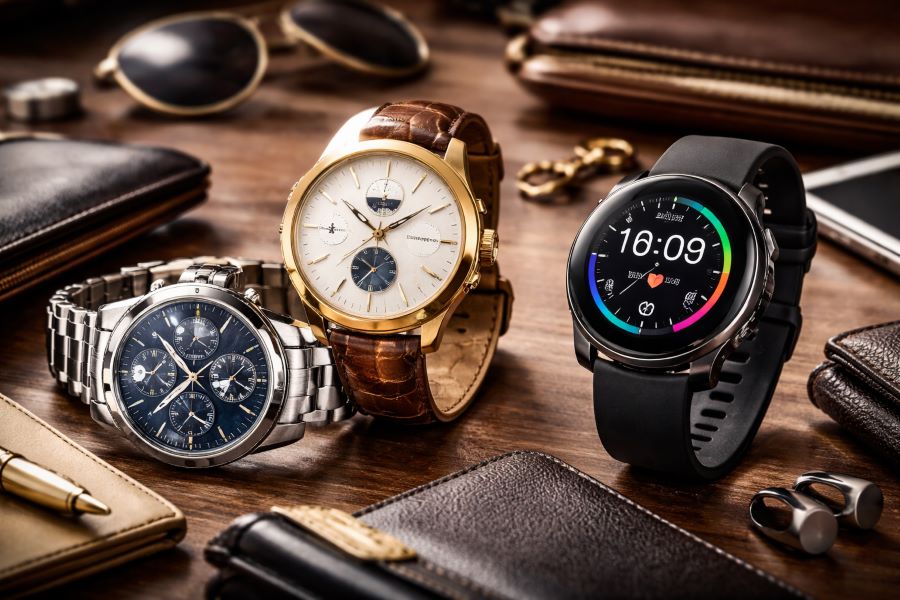
Wristwatches are among the most fascinating objects ever created. They are not only tools for measuring time but also powerful symbols of identity, craftsmanship, status, and style. Today, a wristwatch can reflect a person’s personality, profession, taste, and even values. From luxury mechanical masterpieces to smartwatches, wristwatches occupy a unique position at the intersection of technology and fashion.
However, wristwatches were not always considered fashionable. In fact, they were once seen as impractical and even feminine accessories. Over time, they evolved from simple timekeeping devices into essential tools and eventually into iconic fashion statements.
This transformation did not happen overnight. It was shaped by technological advancements, cultural shifts, wars, industrialization, and the rise of global consumer culture.
The Early Origins of Wristwatches
Pocket Watches: The Predecessor
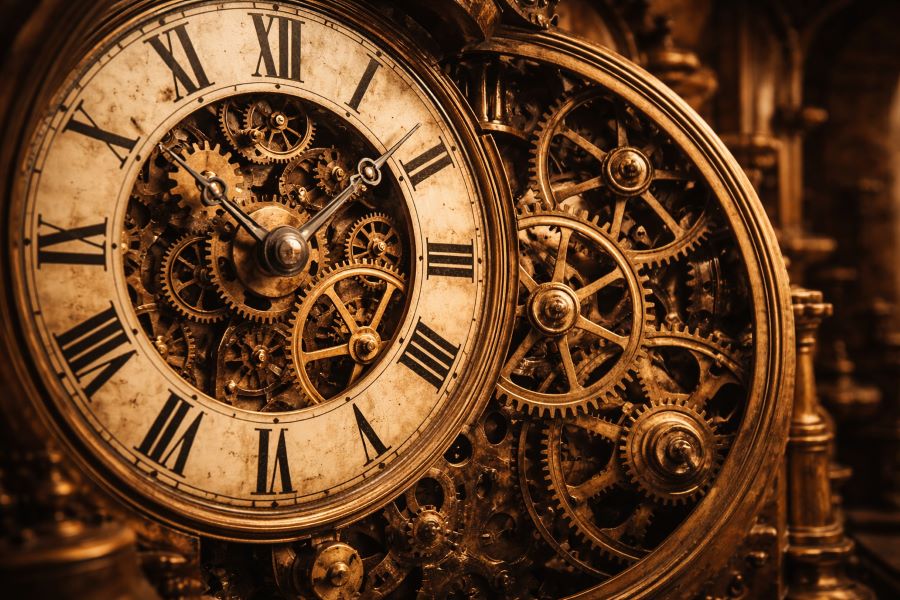
Before wristwatches became popular, pocket watches dominated personal timekeeping. These devices were typically carried in pockets and attached to chains, especially by men.
Pocket watches were considered elegant and prestigious. They represented wealth, discipline, and punctuality. Wristwatches, on the other hand, were initially viewed as decorative items rather than serious tools.
Wristwatches as Jewelry
The earliest wristwatches appeared in the 16th and 17th centuries, but they were primarily worn by women.
These early wristwatches were often:
- Embedded in bracelets
- Decorated with gemstones
- Designed more for appearance than accuracy
Men continued to rely on pocket watches, which were considered more practical and masculine.
The Turning Point: Military Influence
The Role of War in Changing Perception
The transformation of wristwatches began during the late 19th and early 20th centuries, particularly during military conflicts.
Soldiers needed a more practical way to check time during combat. Pocket watches were inconvenient in fast-paced and dangerous situations, whereas wristwatches provided a quick and efficient solution.
World War I: The Rise of the Wristwatch
World War I played a crucial role in popularizing wristwatches among men.
Soldiers used wristwatches to:
- Coordinate attacks
- Synchronize movements
- Manage operations efficiently
After the war, soldiers returned home with their watches, bringing the trend into civilian life. What was once considered a feminine accessory became a symbol of utility and modernity.
Technological Advancements and Utility
Improved Accuracy and Durability
As wristwatches gained popularity, manufacturers began improving their performance.
Key innovations included:
- More accurate mechanical movements
- Shock-resistant designs
- Water-resistant cases
These improvements made wristwatches reliable tools for everyday use.
Specialized Watches
Wristwatches began to serve specific purposes in different fields:
- Aviation Watches – Used by pilots for navigation
- Diving Watches – Designed to withstand underwater pressure
- Military Watches – Built for durability and clarity in extreme conditions
- Chronographs – Used to measure elapsed time in sports and science
These specialized watches reinforced the idea that wristwatches were essential tools.
The Birth of Watchmaking as an Industry
Swiss Watchmaking Excellence
Switzerland emerged as a global leader in watchmaking.
Swiss brands became known for:
- Precision engineering
- High-quality materials
- Exceptional craftsmanship
The phrase “Swiss Made” became synonymous with reliability and excellence.
Industrialization and Mass Production
The Industrial Revolution enabled large-scale production of watches.
This made wristwatches:
- More affordable
- Widely available
- Accessible to different social classes
Timekeeping was no longer limited to elites—it became part of everyday life.
Wristwatches as Fashion Statements
The Influence of Design
As wristwatches became more common, their aesthetic appeal gained importance.
Design elements such as:
- Dial color
- Case shape
- Strap material
began to influence consumer choices. Watches were no longer just tools—they became fashion accessories.
Luxury Watches and Status Symbol
Luxury watch brands transformed wristwatches into symbols of success and prestige.
Owning a high-end watch became a way to express:
- Wealth
- Achievement
- Personal taste
Luxury watches often feature precious metals, handcrafted movements, and limited production, elevating them beyond simple timekeeping devices.
Cultural and Social Influence
Watches in Popular Culture
Wristwatches gained visibility through movies, celebrities, and sports figures. Iconic watches worn by famous personalities increased their desirability and influence.
Watches and Identity
People began choosing watches that reflected their identity:
- Minimalist watches for simplicity
- Luxury watches for status
- Sports watches for active lifestyles
A watch became a personal statement and a reflection of individuality.
The Quartz Revolution and Accessibility
The Rise of Quartz Watches
The introduction of quartz technology revolutionized the watch industry.
Quartz watches were:
- More accurate
- More affordable
- Easier to maintain
This innovation made wristwatches accessible to a global audience.
Impact on Fashion
With lower costs, people could own multiple watches.
This allowed watches to become:
- Fashion accessories
- Style complements
- Seasonal items
Watches began to match outfits, occasions, and moods, strengthening their role in fashion.
The Digital Age and Smartwatches
Digital Watches
Digital watches introduced new features such as alarms, stopwatches, and backlighting. They appealed especially to younger, tech-savvy users.
Smartwatches
Modern smartwatches combine timekeeping with advanced technology.
Features include:
- Fitness tracking
- Notifications
- Health monitoring
Smartwatches have redefined the role of wristwear in the digital era.
The Balance Between Utility and Fashion
Wristwatches today exist at the intersection of functionality, style, and technology.
People wear watches for:
- Practical timekeeping
- Professional use
- Fashion and style
- Status and personal expression
Many individuals use watches for a combination of all these purposes.
Why Wristwatches Still Matter Today
Despite the widespread use of smartphones, wristwatches remain relevant for several reasons:
- Convenience – Quick and easy access to time
- Style – Enhances overall appearance
- Symbolism – Represents discipline and professionalism
- Craftsmanship – Showcases mechanical artistry
The Emotional and Psychological Value of Watches
Watches often carry deep emotional significance. They can be:
- Gifts
- Heirlooms
- Symbols of milestones
A watch can represent memories, achievements, and personal journeys, making it more than just an accessory.
The Future of Wristwatches
The future of wristwatches will likely include:
- Hybrid designs combining mechanical and digital features
- Sustainable and eco-friendly materials
- Advanced smart technologies
However, traditional watches will continue to hold value due to their craftsmanship and heritage.
Conclusion
The journey of wristwatches from simple timekeeping devices to global symbols of style and identity is a remarkable story of innovation and cultural evolution.
What began as a practical solution for soldiers evolved into a representation of personality, status, and technological progress. Wristwatches have adapted to changing times while maintaining their essential purpose—measuring time.
Today, they represent far more than hours and minutes. They tell stories of history, craftsmanship, and personal expression.
In a world driven by digital technology, wristwatches remain timeless—both as functional tools and as symbols of who we are.
Comments
No comments yet.